
In the ever-evolving landscape of online business, having a strong presence and visibility on search engines is crucial for the success of your eCommerce business. Search Engine Optimization (SEO) plays a pivotal role in driving organic traffic to your website, improving your search engine rankings, and ultimately increasing your online sales. With the fierce competition in the eCommerce industry, it is essential to invest in SEO to ensure your business thrives and stays ahead of the game. This article will delve into the reasons why your eCommerce business needs SEO help now more than ever, exploring its benefits, strategies, and the potential impact it can have on your bottom line.
1. Introduction: The Importance of SEO for eCommerce Businesses
In today’s digital age, where consumers increasingly turn to search engines to find products and services, having a robust SEO strategy is vital for eCommerce businesses. SEO involves implementing various techniques to enhance your website’s visibility and ranking on search engine results pages (SERPs). By investing in SEO, you can ensure that your online store is discoverable by potential customers who are actively searching for products similar to what you offer.
2. Increasing Online Visibility: The Power of Organic Traffic
One of the primary benefits of SEO for eCommerce businesses is the ability to drive organic traffic to your website. Organic traffic refers to visitors who find your website through unpaid search results. By optimizing your website’s content and structure, as well as targeting relevant keywords, you can attract a steady stream of potential customers without relying heavily on paid advertising.
3. Boosting Search Engine Rankings: Staying Ahead of the Competition
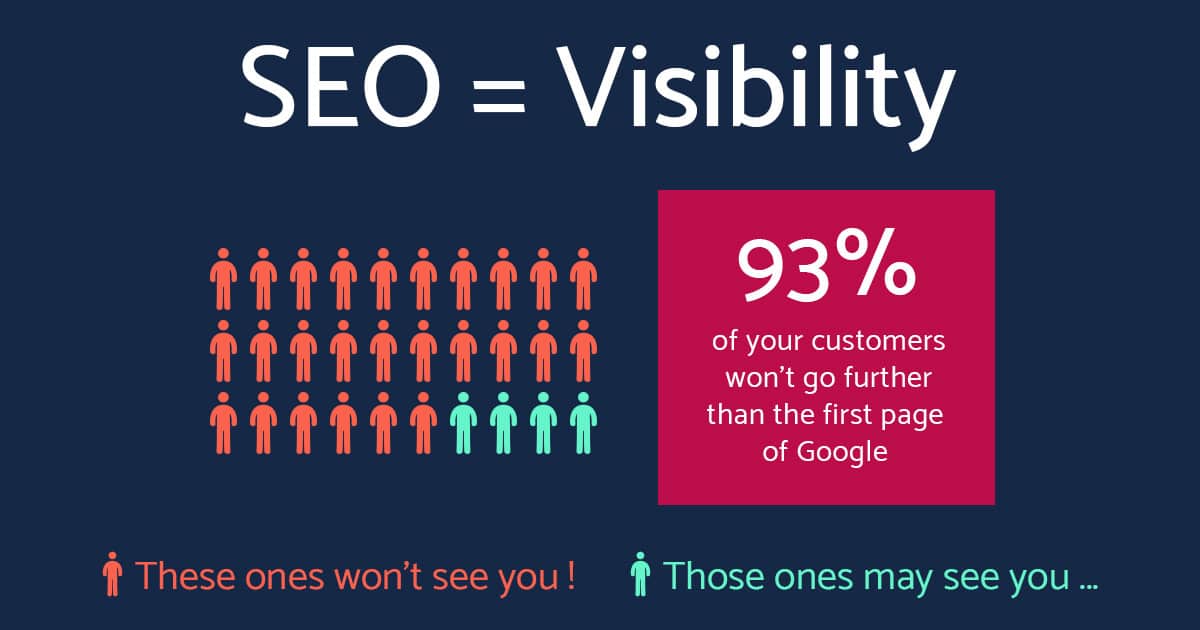
With countless eCommerce websites vying for the attention of online shoppers, securing a high position in search engine rankings is crucial. Studies have shown that the majority of users tend to click on the top results displayed by search engines. By employing SEO techniques such as keyword research, on-page optimization, and link building, you can improve your website’s visibility and outrank your competitors.
4. Targeted Traffic and Higher Conversion Rates: Quality Over Quantity
SEO helps you attract targeted traffic to your eCommerce website, meaning people who are actively interested in the products or services you offer. By targeting specific keywords and optimizing your content accordingly, you can ensure that your website appears in front of users who are more likely to make a purchase. This targeted traffic results in higher conversion rates, ultimately increasing your sales and revenue.
5. Building Brand Authority and Trust: Establishing Credibility
When your eCommerce website consistently appears in top search results, it enhances your brand’s visibility and establishes authority in your industry. Users tend to trust websites that rank highly on search engines, associating them with credibility and reliability. By implementing SEO strategies, you can build trust with potential customers and differentiate your brand from competitors.
6. User Experience and Website Optimization: Navigating the Digital Landscape
SEO is not solely focused on search engines but also revolves around improving the overall user experience on your website. Search engines, like Google, consider factors such as page load speed, mobile-friendliness, and ease of navigation when determining search rankings. By optimizing your website for these factors, you not only please search engines but also enhance the user experience, resulting in higher engagement and increased conversions.
7. Mobile Optimization: The Rise of Mobile Commerce
In today’s mobile-driven world, mobile optimization has become crucial for eCommerce success. A significant portion of online purchases is made through mobile devices. Therefore, having a mobile-friendly website is essential for capturing mobile users and providing them with a seamless shopping experience. SEO helps in optimizing your website for mobile devices, ensuring that it loads quickly and is easy to navigate on smartphones and tablets.
8. Local SEO: Capturing Nearby Customers
For eCommerce businesses with physical store locations or those catering to specific regions, local SEO is invaluable. Local SEO strategies help you target potential customers in specific geographic areas, ensuring that your business appears in local search results. This enables you to attract nearby customers, increase foot traffic to your physical stores, and drive online sales within your target market.
9. Content Marketing and SEO: Driving Engagement and Loyalty
Content marketing and SEO go hand in hand. By producing high-quality, informative, and engaging content, you can attract and engage your target audience. Integrating relevant keywords and optimizing your content for search engines amplifies its reach and increases its chances of ranking higher in search results. Effective content marketing combined with SEO can drive customer engagement, build brand loyalty, and establish your eCommerce business as an authority in its niche.
10. The Role of Social Media in SEO: Amplifying Your Reach
Social media platforms provide an excellent opportunity to amplify your eCommerce business’s reach and strengthen your SEO efforts. By leveraging social media channels, you can create and share compelling content that attracts engagement and drives traffic to your website. Additionally, social signals such as likes, shares, and comments can contribute to your website’s authority and improve its search engine rankings.
11. SEO Analytics: Measuring Success and Identifying Opportunities
To gauge the effectiveness of your SEO efforts and identify areas for improvement, it is crucial to analyze and interpret SEO analytics. Tools like Google Analytics provide valuable insights into your website’s performance, including organic traffic, conversion rates, and user behavior. By monitoring these metrics, you can make data-driven decisions to optimize your SEO strategy and drive better results for your eCommerce business.
12. Technical SEO: Optimizing Your Website’s Performance
Technical SEO involves optimizing various technical aspects of your website to improve its visibility and performance on search engines. This includes optimizing site speed, fixing broken links, implementing schema markup, ensuring mobile responsiveness, and improving site security. By addressing technical SEO issues, you create a strong foundation for your website’s SEO efforts and enhance its overall user experience.
13. Ecommerce SEO Best Practices: Staying Updated and Adapting
SEO is a dynamic field, with search engines continually updating their algorithms and ranking factors. To stay ahead and maintain your eCommerce business’s online visibility, it is crucial to stay updated with the latest SEO best practices. Regularly monitoring industry trends, algorithm updates, and user behavior can help you adapt your SEO strategies accordingly and ensure long-term success.
14. SEO vs. Paid Advertising: Long-Term Strategy and Cost-Effectiveness
While paid advertising can yield immediate results, it often requires a significant budget and may not provide sustainable long-term success. On the other hand, SEO is a long-term strategy that, when implemented effectively, can generate organic traffic and deliver consistent results over time. By investing in SEO, you can reduce your reliance on paid advertising, lower customer acquisition costs, and achieve a higher return on investment (ROI).
15. Conclusion
In the highly competitive world of eCommerce, SEO has become more crucial than ever before. By implementing a comprehensive SEO strategy, you can increase your online visibility, outrank competitors, attract targeted traffic, and boost conversions. SEO helps build brand authority, enhances the user experience, optimizes mobile devices, and leverages content marketing and social media. By staying updated with the latest SEO best practices, analyzing SEO analytics, and focusing on technical optimization, your eCommerce business can thrive in the digital landscape.
FAQs
- Q: How long does it take to see results from SEO efforts? A: The timeline for SEO results can vary depending on various factors, such as the competitiveness of your industry, the quality of your SEO strategy, and the current state of your website. Generally, it takes several months to start seeing significant improvements in search engine rankings and organic traffic.
- Q: Can I do SEO for my eCommerce business on my own, or should I hire a professional? A: While it is possible to learn and implement SEO techniques on your own, hiring a professional SEO agency or consultant can provide valuable expertise and save you time. SEO professionals have in-depth knowledge and experience in the field, enabling them to develop and execute strategies that yield better results.
- Q: Is SEO a one-time effort, or do I need to continuously invest in it? A: SEO is an ongoing process that requires consistent effort and investment. Search engines frequently update their algorithms, and the competitive landscape evolves, so it’s crucial to stay updated and adapt your SEO strategies accordingly to maintain and improve your online visibility.
- Q: Does SEO only apply to text-based content, or does it include other media types? A: While text-based content is an essential component of SEO, it also encompasses other media types such as images, videos, and infographics. Optimizing these media elements with relevant keywords, alt tags, and descriptive metadata can contribute to your website’s SEO performance.
- Q: How can I measure the success of my eCommerce business’s SEO efforts? A: SEO success can be measured through various metrics, including organic traffic, search engine rankings, conversion rates, and revenue generated. By regularly monitoring these metrics and comparing them against your goals, you can assess the effectiveness of your SEO strategy and identify areas for improvement.
