
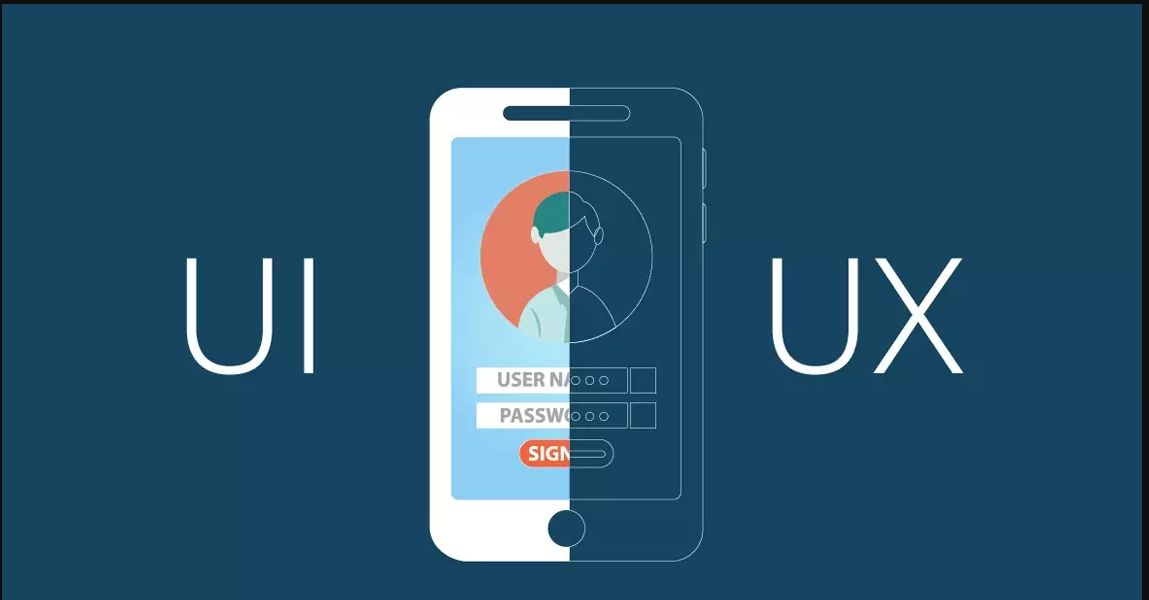
In today’s digital age, user experience (UX) and user interface (UI) design are two terms that are often used interchangeably. However, they are distinct aspects of the design process, each with its own unique focus and objectives. Understanding the difference between UX and UI design is crucial for anyone involved in the creation of digital products or services. In this article, we will delve into the world of UX and UI design, exploring their definitions, roles, and key differences.
In the digital realm, the terms “UX” and “UI” are often used in discussions about design and user interaction. However, they represent different facets of the design process, and their roles are distinct yet complementary.
What is UX Design?
User Experience (UX) design is primarily concerned with the overall experience that a user has when interacting with a digital product or service. It encompasses the user’s emotions, attitudes, and perceptions throughout their journey. UX designers aim to create products that are intuitive, easy to use, and enjoyable.
The Role of UX Design
UX designers focus on understanding user behavior and preferences. They conduct user research, create user personas, and develop user journeys to map out the user’s experience. Their goal is to identify pain points and improve the overall flow of the product.
Key Principles of UX Design
- User-Centered Design
- Usability
- Accessibility
- Consistency
- Feedback and Iteration
What is UI Design?
User Interface (UI) design, on the other hand, deals with the visual and interactive elements of a digital product. It includes everything from buttons and icons to colors and typography. UI designers aim to create an aesthetically pleasing and user-friendly interface.
The Role of UI Design
UI designers work on the look and feel of a product. They ensure that the interface is visually appealing, cohesive, and aligns with the brand’s identity. UI designers are responsible for creating the layouts and visual elements that users interact with.
Key Principles of UI Design
- Visual Hierarchy
- Consistency in Design
- Responsiveness
- Simplicity
- Feedback and Affordance
The Collaborative Nature of UX and UI Design
While UX and UI design have distinct focuses, they are closely intertwined. Collaboration between UX and UI designers is essential to create a seamless user experience. UX informs the structure and flow, while UI enhances the aesthetics and interactivity.
UX vs. UI: Understanding the Differences
The primary difference lies in their focus. UX is about the overall experience and usability, while UI is about the visual and interactive elements. UX comes before UI in the design process, ensuring that the product is user-centered before adding visual elements.
When to Prioritize UX Design
UX design takes precedence in the early stages of product development. It lays the foundation for a user-friendly experience by addressing user needs and pain points before the visual design phase begins.
When to Prioritize UI Design
UI design comes into play once the UX framework is in place. It focuses on creating a visually appealing interface that enhances the user’s overall experience.
The Impact of Good UX and UI Design
Effective UX and UI design can lead to increased user satisfaction, higher conversion rates, and enhanced brand loyalty. Conversely, neglecting these aspects can result in user frustration and abandonment.
Real-world Examples
Let’s look at some real-world examples of products that excel in both UX and UI design:
- Apple’s iOS: Known for its intuitive interface and sleek design.
- Google’s Search Engine: Offers a simple yet effective user experience.
- Amazon’s Shopping App: Provides a seamless shopping journey.
Conclusion
In conclusion, UX and UI design are two integral components of creating exceptional digital products and services. UX focuses on the overall user experience, while UI deals with the visual and interactive aspects. Collaboration between UX and UI designers is key to success in the digital design landscape.
FAQs
1. Are UX and UI design the same thing?
No, they are not. UX design focuses on the overall user experience, while UI design deals with the visual and interactive elements of a product.
2. Can a product have good UX but poor UI, or vice versa?
Yes, it is possible. However, a product with both good UX and UI design is more likely to succeed.
3. What tools do UX and UI designers use?
UX designers often use tools like Adobe XD, Sketch, and Figma, while UI designers use tools like Photoshop, Illustrator, and Sketch.
4. How can I improve my UX and UI design skills?
You can improve your skills by taking online courses, practicing design projects, and staying updated with industry trends.
5. Why is user research important in UX design?
User research helps designers understand user behavior and preferences, allowing them to create products that meet user needs effectively.
