
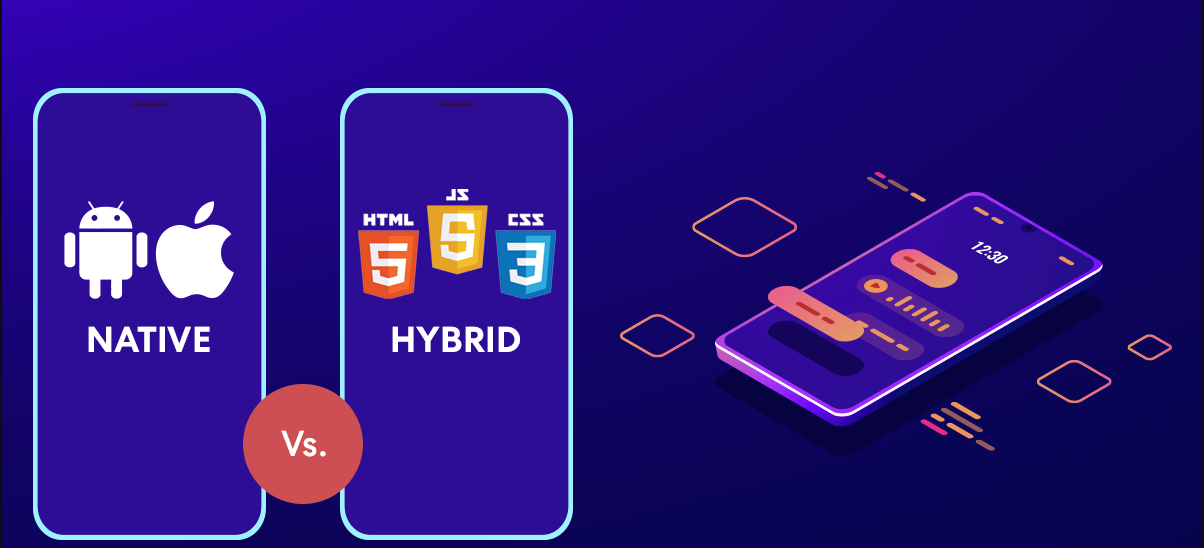
In the rapidly evolving landscape of mobile app development, choosing the right approach can significantly impact the success of your project. One of the fundamental decisions developers face is whether to go with native app development or opt for a hybrid approach. Each method has its own set of advantages and disadvantages, and making an informed choice requires a clear understanding of both. In this article, we’ll explore the differences between native and hybrid app development, highlighting their pros and cons to help you make the best decision for your app.
In the dynamic world of mobile applications, businesses and developers are constantly seeking ways to deliver the best user experience. This quest has led to the emergence of two primary approaches: native app development and hybrid app development. Each approach comes with its own set of benefits and drawbacks, catering to different project requirements and goals.
Understanding Native App Development
What is a Native App?
Native apps are developed for a specific platform, such as iOS or Android, using platform-specific programming languages like Swift or Kotlin. These apps are optimized to fully leverage the capabilities of the chosen platform, resulting in a seamless and high-performance user experience.
Advantages of Native App Development
Native apps boast several advantages, including:
- Superior Performance: Native apps are optimized for their respective platforms, leading to faster load times and smoother interactions.
- Access to Device Features: Developers have full access to device features like cameras, GPS, and sensors, enabling them to create rich and engaging experiences.
- Enhanced User Experience: The design and user interface can be tailored to the platform’s guidelines, providing a familiar and intuitive experience.
Disadvantages of Native App Development
However, native app development also comes with its share of drawbacks:
- Development Complexity: Building separate apps for different platforms requires a higher development effort, leading to increased costs and longer timelines.
- Platform Dependencies: Updates and maintenance must be done individually for each platform, potentially leading to inconsistencies.
- App Store Approval Process: Both the Apple App Store and Google Play Store have stringent approval processes that could lead to delays in launching updates.
Exploring Hybrid App Development
What is a Hybrid App?
Hybrid apps, on the other hand, are developed using web technologies like HTML, CSS, and JavaScript, and then wrapped in a native container. This allows the app to be deployed on multiple platforms while maintaining a single codebase.
Advantages of Hybrid App Development
Hybrid apps offer several advantages:
- Code Reusability: A single codebase can be used for multiple platforms, reducing development effort and costs.
- Faster Development: Developing one codebase is quicker than building separate native apps.
- Easier Maintenance: Updates and changes can be applied universally, streamlining maintenance.
Disadvantages of Hybrid App Development
However, hybrid app development has its own set of challenges:
- Performance Limitations: Hybrid apps may not match the performance of native apps, especially for complex interactions and animations.
- Limited Access to Device Features: While hybrid apps can access some device features, they might not have the same level of access as native apps.
- User Experience Compromises: Achieving a consistent user experience across different platforms can be challenging due to platform differences.
Factors Influencing the Choice
Choosing between native and hybrid app development depends on various factors:
- Development Time and Cost: If time-to-market and budget are critical, hybrid development might be more suitable.
- User Experience and Performance: For apps requiring intensive interactions or superior performance, native development is preferred.
- Platform Support and Reach: If the app needs to be available on multiple platforms quickly, a hybrid approach might be beneficial.
- Maintenance and Updates: Hybrid apps generally have easier and faster maintenance due to their single codebase.
Making the Decision
In conclusion, the choice between native and hybrid app development depends on the specific needs of your project. Native apps offer unparalleled performance and access to device features, while hybrid apps offer cost-effective development and quicker deployment on multiple platforms. Consider your project requirements, budget, and timeline to make the best decision for your app’s success.
Conclusion
Deciding between native and hybrid app development is a crucial step in your app’s journey. By understanding the advantages and disadvantages of each approach, you can align your development strategy with your project goals and user expectations. Remember that there’s no one-size-fits-all answer – each project is unique, and the right choice will depend on a multitude of factors.
FAQs
1. Are native apps more expensive to develop than hybrid apps?
Native apps often require more resources due to platform-specific development, potentially making them more expensive than hybrid apps. However, the exact cost difference depends on the complexity of the app and other project-specific factors.
2. Can hybrid apps achieve the same performance as native apps?
While hybrid apps have made significant performance improvements, native apps still generally offer superior performance for resource-intensive tasks and complex animations.
3. Which approach is better for accessing device features like the camera or GPS?
Native apps have an edge when it comes to accessing and utilizing device features fully. If your app heavily relies on such features, native development might be the better choice.
4. What are some popular examples of native and hybrid apps?
Instagram and Pokémon GO are examples of native apps, while Evernote and Uber are examples of hybrid apps.
5. Is it possible to switch from a hybrid app to a native app later?
While it’s possible to transition from a hybrid app to a native app, it might involve significant redevelopment. It’s crucial to plan your app’s architecture with potential future changes in mind
