
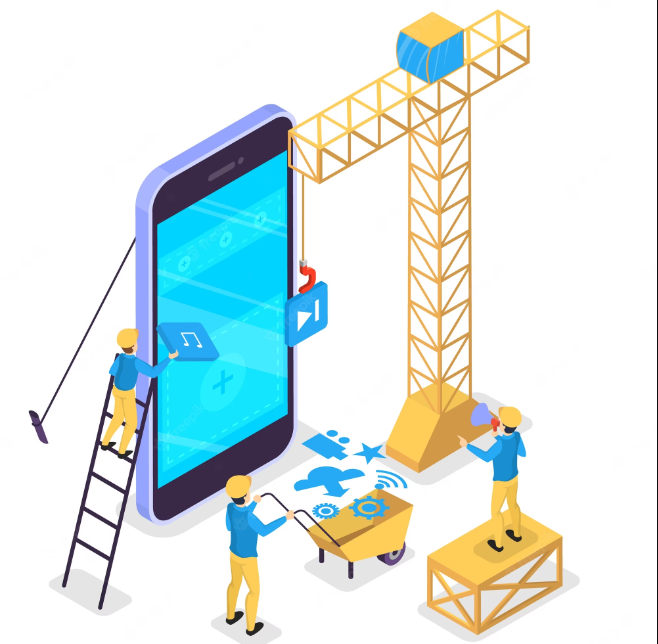
In the ever-evolving landscape of mobile app development, staying abreast of the latest architectural trends is imperative to create apps that are not only functional and user-friendly but also scalable and maintainable. As we step into 2023, new architectural approaches have emerged, reshaping the way mobile apps are designed and built. In this article, we will delve into the modern architecture for mobile apps in 2023, exploring the innovative methodologies that developers are adopting to craft cutting-edge mobile experiences.
As mobile devices become increasingly powerful and versatile, mobile app architecture has evolved to accommodate new capabilities and user expectations. Modern architecture prioritizes flexibility, speed, security, and seamless user experiences. Let’s explore the architectural trends that are shaping the mobile app landscape in 2023.
Microservices Architecture
Microservices architecture involves breaking down an app into smaller, interconnected services, each responsible for a specific function. This approach enhances scalability, as individual services can be developed, deployed, and scaled independently.
Serverless Architecture
Serverless architecture allows developers to focus on code rather than infrastructure management. It eliminates the need to provision and manage servers, leading to faster development cycles and reduced operational overhead.
Event-Driven Architecture
Event-driven architecture facilitates real-time communication between components. Events trigger actions, enabling dynamic responses to user interactions and system changes, resulting in highly responsive apps.
Progressive Web Apps (PWAs)
PWAs combine the best of web and mobile app experiences. They offer offline capabilities, fast loading times, and seamless responsiveness across various devices, enhancing user engagement.
Hybrid Architecture
The hybrid architecture leverages web technologies within a native app shell. This approach provides cross-platform compatibility and the ability to access device features, resulting in efficient development and a consistent user experience.
Offline-First Architecture
Offline-first architecture prioritizes app functionality even without an internet connection. By storing data locally and synchronizing when connectivity is restored, these apps ensure uninterrupted user experiences.
Edge Computing Integration
Edge computing brings computation closer to the data source, reducing latency and enhancing real-time processing. Mobile apps integrated with edge computing offer faster responses and improved performance.
Augmented Reality (AR) Integration
AR integration enhances user engagement by overlaying digital information in the real world. Modern apps are leveraging AR to provide immersive experiences, from gaming to interior design.
Security-First Approach
Security remains a top concern. Modern architecture emphasizes incorporating security measures at every layer, safeguarding user data and privacy through encryption, authentication, and authorization protocols.
Scalability and Performance Enhancement
Cloud-native architecture allows apps to scale seamlessly based on demand. This approach ensures consistent performance, even during high user traffic, by dynamically allocating resources.
Integration of AI and Machine Learning
AI and machine learning integration empower apps with predictive and personalized capabilities. From recommendation systems to language processing, these technologies elevate user experiences.
Blockchain Integration
Blockchain ensures transparency and security in transactions. Mobile apps are adopting blockchain for various use cases, such as secure payments, digital identities, and supply chain traceability.
Sustainable App Architecture
Sustainability is gaining importance in architecture. Apps are being designed with energy efficiency in mind, optimizing resource consumption and contributing to environmental conservation.
Conclusion
In the dynamic realm of mobile app development, embracing modern architecture is essential to creating apps that align with user expectations and technological advancements. From microservices to AI integration, each architectural trend serves a unique purpose in enhancing user experiences, scalability, and security. By staying informed about these trends, developers can craft mobile apps that stand out in 2023 and beyond.
FAQs
Q: What is microservices architecture?
A: Microservices architecture breaks down apps into smaller services for enhanced scalability and independent development.
Q: How does serverless architecture benefit app development?
A: Serverless architecture reduces infrastructure management, allowing developers to focus on coding and faster deployment.
Q: What are Progressive Web Apps (PWAs)?
A: PWAs offer offline capabilities, fast loading, and cross-device responsiveness, providing a seamless web and app experience.
Q: How does blockchain integration impact mobile apps?
A: Blockchain ensures secure, transparent transactions, making mobile apps suitable for secure payments and data management.
Q: What is the offline-first architecture?
A: Offline-first architecture allows apps to function even without an internet connection by storing and synchronizing data locally.
