
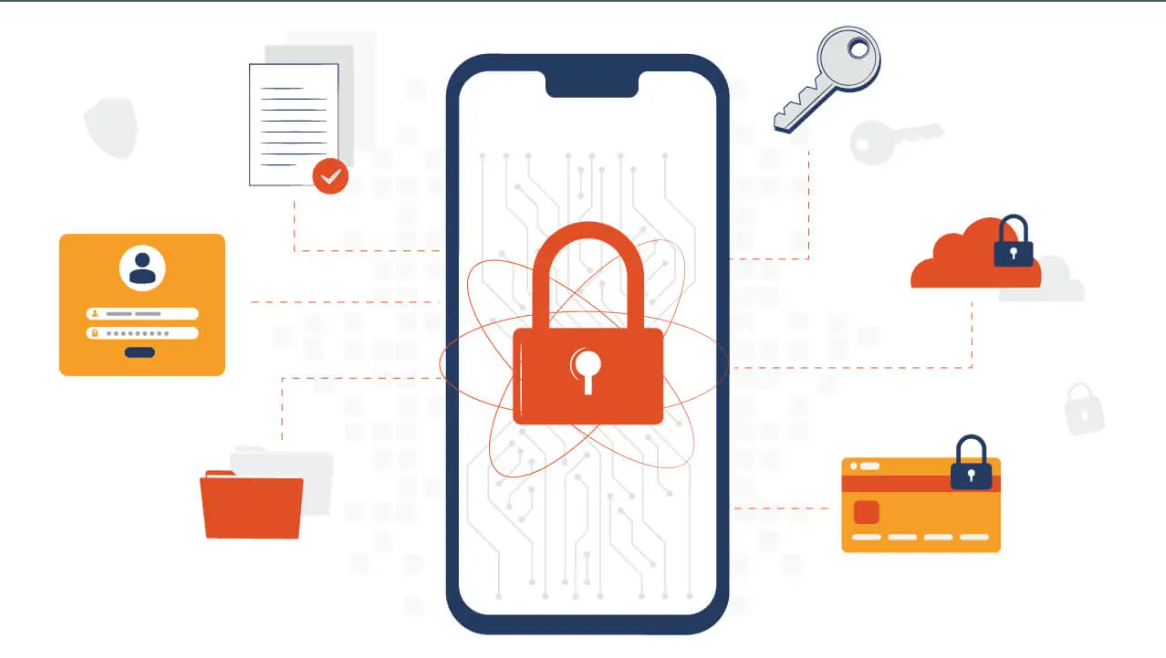
In this digital age, mobile applications have become an integral part of our lives. From shopping and banking to entertainment and communication, we rely on mobile apps for almost everything. However, this increasing dependence on mobile apps also raises concerns about security. With cyber threats on the rise, it’s crucial to implement robust security measures to protect both users and data. In this article, we will explore the best practices for ensuring mobile app security.
Mobile app security is not a topic to be taken lightly. As technology evolves, so do the tactics of cybercriminals. Therefore, it’s imperative for businesses and developers to stay ahead in the game by implementing effective security practices. Let’s dive deeper into the world of mobile app security.
Understanding the Importance of Mobile App Security
Mobile apps often handle sensitive information, including personal data and financial details. Neglecting security measures can result in significant damage, both to a company’s reputation and to users’ lives. It’s crucial to understand the consequences of inadequate security and the need to prioritize it in the development process.
Common Mobile App Security Threats
Malware and Viruses
Malicious software can infiltrate mobile apps, compromising user data and device functionality. Protecting against malware requires stringent security measures.
Data Breaches
Data breaches can lead to the exposure of user information, causing financial and reputational damage to organizations. Robust encryption and data protection are essential.
Unauthorized Access
Unauthorized access can result in data theft and privacy violations. Implementing secure authentication processes is key to preventing this threat.
Best Practices for Mobile App Security
Secure Code Development
Writing secure code from the outset is the foundation of mobile app security. Developers should follow coding best practices and use secure libraries.
Regular Updates and Patch Management
Regularly updating your app with security patches is crucial to stay ahead of potential vulnerabilities. Outdated software is a prime target for attackers.
Data Encryption
Encrypting data both in transit and at rest ensures that even if intercepted, it remains unreadable to unauthorized parties.
User Authentication
Implement strong user authentication methods, such as multi-factor authentication, to prevent unauthorized access to user accounts.
Secure API Integration
When integrating third-party APIs, ensure they meet security standards and do not introduce vulnerabilities.
Implementing App Permissions
Request only the necessary permissions from users and explain why each is required. Overly permissive apps can be a security risk.
User Education
Educate users about the importance of security, such as setting strong passwords and being cautious with app permissions.
Testing and Penetration Testing
Thoroughly test your app for vulnerabilities, and consider conducting penetration testing to identify and fix weaknesses before they are exploited.
Monitoring and Incident Response
Implement monitoring tools to detect unusual activities and have a well-defined incident response plan in place.
Compliance with Regulations
Adhere to relevant data protection regulations, such as GDPR or HIPAA, depending on your app’s purpose and user data handling.
The Role of App Stores
Publish your app on reputable app stores, as they often have security checks in place to prevent malicious apps from being distributed.
Conclusion
Mobile app security is a dynamic and evolving field, and staying ahead of threats requires constant vigilance. By following these best practices, you can significantly reduce the risk of security breaches and protect both your users and your reputation.
FAQs
1. How often should I update my mobile app for security?
Regular updates should be done whenever security patches are available or when new vulnerabilities are discovered. This ensures that your app remains secure against emerging threats.
2. What is the significance of data encryption in mobile apps?
Data encryption ensures that even if someone gains unauthorized access to the data, they cannot read or decipher it without the encryption key, enhancing overall security.
3. Can user education really make a difference in mobile app security?
Absolutely. Educating users about security best practices can help them make informed decisions, such as setting strong passwords and being cautious about app permissions, which can prevent security breaches.
4. How can I ensure my app complies with data protection regulations?
To ensure compliance, you should thoroughly understand the regulations relevant to your app, implement the required security measures, and maintain proper documentation of user data handling.
5. What should I do if my mobile app experiences a security incident?
Having an incident response plan in place is crucial. Follow the plan, notify affected users promptly, and take immediate steps to mitigate the impact of the incident.
