
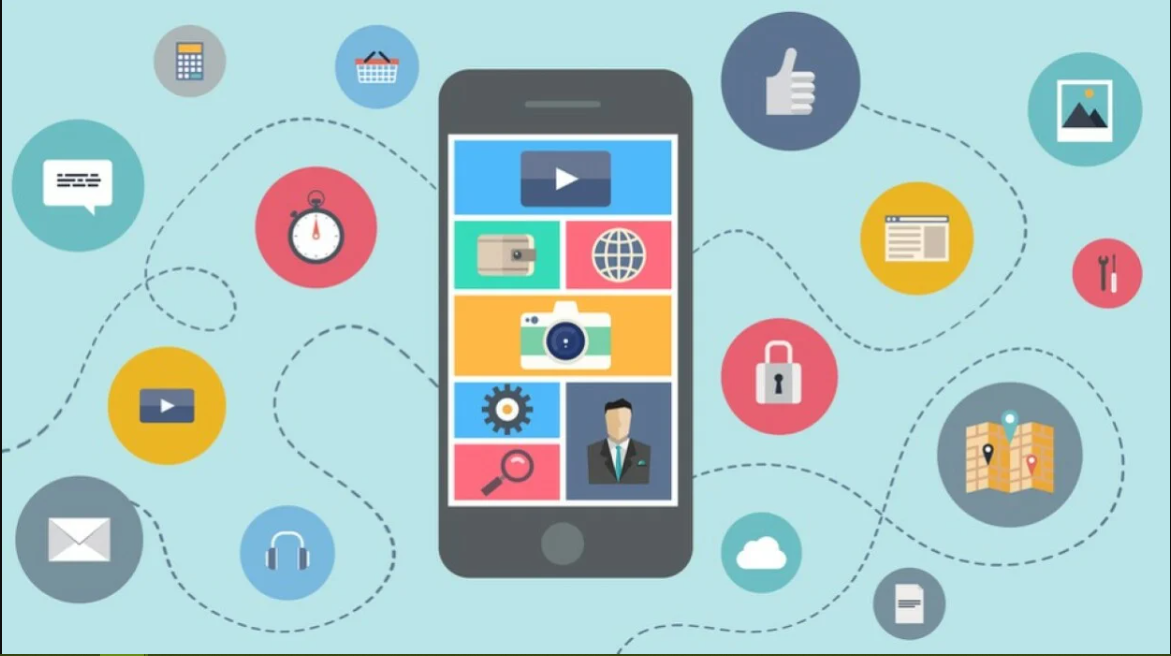
In today’s digital age, mobile apps have become an integral part of our daily lives. From social media and productivity tools to games and e-commerce, mobile apps cover a wide range of functionalities. If you’re intrigued by the world of app development and wonder how to become a mobile app developer, this article is your guide.
Understanding the Role of a Mobile App Developer
Mobile app developers are responsible for creating applications that run on mobile devices like smartphones and tablets. They design, develop, and maintain these apps, ensuring they provide a seamless user experience. Now, let’s explore the path to becoming a mobile app developer.
Educational Requirements
Bachelor’s Degree in Computer Science or Related Field
While not always mandatory, a bachelor’s degree in computer science or a related field can provide a strong foundation. It covers essential programming concepts and computer science principles.
Self-Learning and Online Courses
Many successful mobile app developers are self-taught. There are numerous online courses, tutorials, and resources available to help you learn programming languages and app development at your own pace.
Coding Bootcamps
Coding boot camps offer intensive, short-term programs focused on practical skills. They are an excellent option for those looking to fast-track their app development career.
Programming Languages and Tools
Java
Java is a versatile language used for developing Android apps. It’s one of the most popular programming languages in the world.
Swift
Swift is the go-to language for iOS app development. It’s known for its speed and safety features.
Kotlin
Kotlin is another language for Android app development. It’s considered more modern and concise than Java.
React Native
React Native is a framework for building cross-platform mobile apps using JavaScript and React. It allows developers to write code once and run it on both Android and iOS.
Building a Portfolio
Create a portfolio of personal projects to showcase your skills and expertise. Build your own apps, contribute to open-source projects, or collaborate on development teams.
Internships and Entry-Level Positions
Consider internships or entry-level positions to gain real-world experience. Many companies offer opportunities for junior developers to learn and grow.
Networking and Building Connections
Networking is crucial in the tech industry. Attend meetups, conferences, and online forums to connect with fellow developers and potential employers.
Staying Updated and Adapting
The tech industry evolves rapidly. Stay updated with the latest trends, tools, and platforms. Be adaptable and willing to learn new technologies.
Conclusion
Becoming a mobile app developer is an exciting journey that requires dedication and continuous learning. Whether you opt for a formal education, self-learning, or coding boot camps, the key is to practice and build a strong foundation in programming languages. Building a portfolio, networking, and staying updated are also essential steps in your career.
FAQs
1. Do I need a degree to become a mobile app developer?
While a degree in computer science or a related field can be beneficial, it’s not always necessary. Many successful developers are self-taught or have completed coding boot camps.
2. Which programming language should I learn first for mobile app development?
The choice of programming language depends on your target platform. For Android, start with Java or Kotlin. For iOS, Swift is the primary language. Alternatively, consider React Native for cross-platform development.
3. How can I build a strong portfolio as a mobile app developer?
Create your own apps, contribute to open-source projects, and collaborate with other developers. A diverse portfolio showcases your skills and experience.
4. Are coding boot camps a good way to learn app development?
Yes, coding boot camps offer intensive, practical training and can be an effective way to kickstart your app development career.
5. How do I stay updated with the latest trends in mobile app development?
Follow tech blogs, attend conferences, participate in online communities, and subscribe to newsletters. Continuously learning and adapting is essential in the tech industry.
