
In the fast-paced world of technology, staying up-to-date with the latest trends is crucial for any business looking to thrive in the digital landscape. The year 2023 brings forth a myriad of custom app development trends that promise to revolutionize the way we interact with applications. From modular design to the rise of instant apps and the integration of blockchain, this article explores these trends in detail.
In an era where smartphones have become an extension of our lives, the dynamics of app development are continually evolving. Custom app development, which tailors applications to specific business needs, is witnessing exciting trends that are set to redefine the way we engage with technology.
Modular App Development
Modular app development is gaining ground as a game-changer in the industry. This approach involves breaking down apps into smaller, self-contained modules that can be developed independently. Developers can then update individual modules without affecting the entire application, allowing for more efficient maintenance and scalability.
The Era of Instant Apps
Instant apps are bridging the gap between user engagement and storage space. These bite-sized applications provide the core functionalities of a larger app without the need for installation. Users can access these apps instantly through a web browser, enhancing convenience and reducing the barrier to entry.
The Blockchain Integration
Blockchain’s influence extends to app development, especially in ensuring data security and transparency. Blockchain integration enhances user trust by creating a tamper-proof environment for transactions and data sharing. This trend is particularly prominent in finance, healthcare, and supply chain management apps.
Enhanced User Experiences
Seamless user experience remains a top priority. From intuitive navigation to visually appealing interfaces, custom app development is all about creating experiences that keep users engaged and satisfied. This trend involves closely understanding user behavior and preferences to deliver tailored experiences.
Personalized AI and Machine Learning
AI and machine learning are making apps smarter and more personalized. These technologies analyze user data to offer recommendations, predictions, and personalized content. From content delivery to product suggestions, AI enhances user engagement and satisfaction.
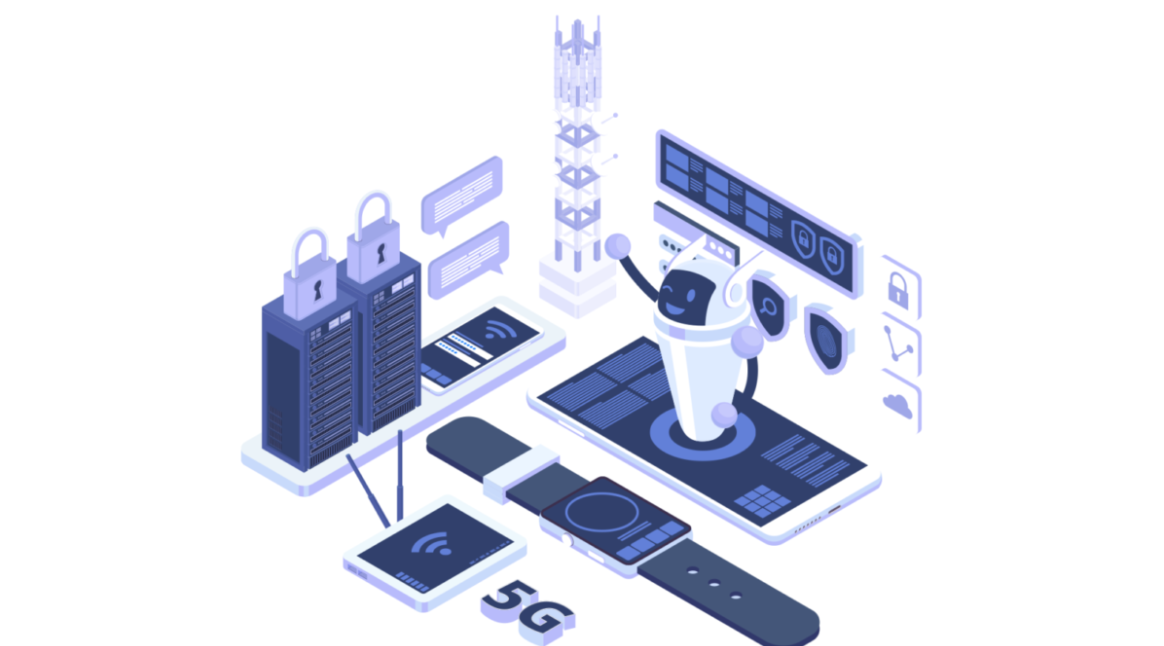
5G Revolution and App Development
The rollout of 5G technology is a game-changer for app development. With lightning-fast speeds and minimal latency, 5G opens doors to applications with immersive experiences, such as high-quality video streaming and augmented reality.
AR and VR in Applications
Augmented Reality (AR) and Virtual Reality (VR) are transforming how we interact with apps. From gaming to education and real estate, these technologies add layers of interactivity, creating engaging and memorable user experiences.
Voice-Enabled Applications
Voice assistants have reshaped the way we interact with our devices. Integrating voice commands into apps not only improves accessibility but also offers a hands-free and convenient way to navigate and perform tasks within applications.
Focus on App Security
As data breaches become more sophisticated, app security is a trend that can’t be overlooked. Developers are integrating advanced security measures, such as biometric authentication and data encryption, to ensure user data remains confidential and secure.
Microservices Architecture
Microservices architecture is changing how complex apps are developed. By breaking down applications into smaller, manageable services, developers can enhance scalability, speed up deployment, and improve fault tolerance.
Cloud-Native Applications
Cloud-native development is on the rise, allowing apps to be built and deployed in cloud environments. This approach offers flexibility, scalability, and reduced infrastructure costs, making it a favorable choice for many businesses.
Sustainability and Green Apps
With the growing focus on environmental sustainability, apps are also joining the movement. Green apps promote eco-friendly behaviors and choices, fostering a sense of responsibility among users.
Collaborative and Remote Work Apps
The shift to remote work has accelerated the development of collaborative apps. From virtual whiteboards to project management tools, these apps facilitate seamless communication and productivity among remote teams.
Conclusion
The landscape of custom app development is evolving at an unprecedented pace. From modular design and instant apps to blockchain integration, these trends promise to reshape how we engage with technology. Embracing these trends not only ensures staying ahead in the digital race but also provides users with innovative and user-centric experiences.
FAQs
Q1: What are instant apps?
A: Instant apps are smaller versions of full applications that users can access without installing them, providing quick access to essential functionalities.
Q2: How does AI personalize apps?
A: AI analyzes user data to understand preferences and behaviors, enabling apps to offer personalized content and recommendations.
Q3: What is the significance of blockchain in app development?
A: Blockchain ensures data security and transparency, enhancing user trust by creating an unalterable record of transactions.
Q4: How does 5G impact app development?
A: 5G’s high-speed and low latency enable the creation of apps with immersive experiences, such as high-quality multimedia and augmented reality.
Q5: What are green apps?
A: Green apps promote environmentally friendly behaviors and choices, encouraging users to adopt a sustainable lifestyle.
