
In today’s digital age, convenience is paramount, and this extends to how we manage our finances. Enter the world of mobile wallets—a revolutionary technology that has transformed the way we make payments, store cards, and manage transactions. In this comprehensive guide, we’ll explore everything you need to know about mobile wallets, including the difference between digital, mobile, and electronic wallets, their benefits, security features, and how they are shaping the future of financial transactions.
As our smartphones evolve into all-in-one devices, it’s only natural that they’ve taken on the role of our wallets. Mobile wallets offer a seamless and secure way to manage payments and transactions, transforming the way we interact with money.
Defining Mobile Wallets
A Digital Hub for Payments: A mobile wallet is a digital platform that allows users to store their credit card, debit card, or bank account information securely on their smartphones. This information can then be used to make payments, whether in-store, online, or through mobile apps.
Digital Wallets vs. Mobile Wallets vs. Electronic Wallets
Understanding the Distinctions
- Digital Wallets: These refer to any electronic device or service that allows an individual to make electronic transactions. They encompass both mobile and desktop applications.
- Mobile Wallets: Specifically, mobile wallets are designed for smartphones. They leverage NFC (Near Field Communication) technology to facilitate contactless payments.
- Electronic Wallets: This is a broader term that includes digital and mobile wallets. It encompasses any electronic means of storing payment information.
How Mobile Wallets Work
Linking Cards and Accounts
Users can link their credit and debit cards, as well as bank accounts, to their mobile wallet apps. This is typically done by scanning the card or manually entering the information.
Making Payments
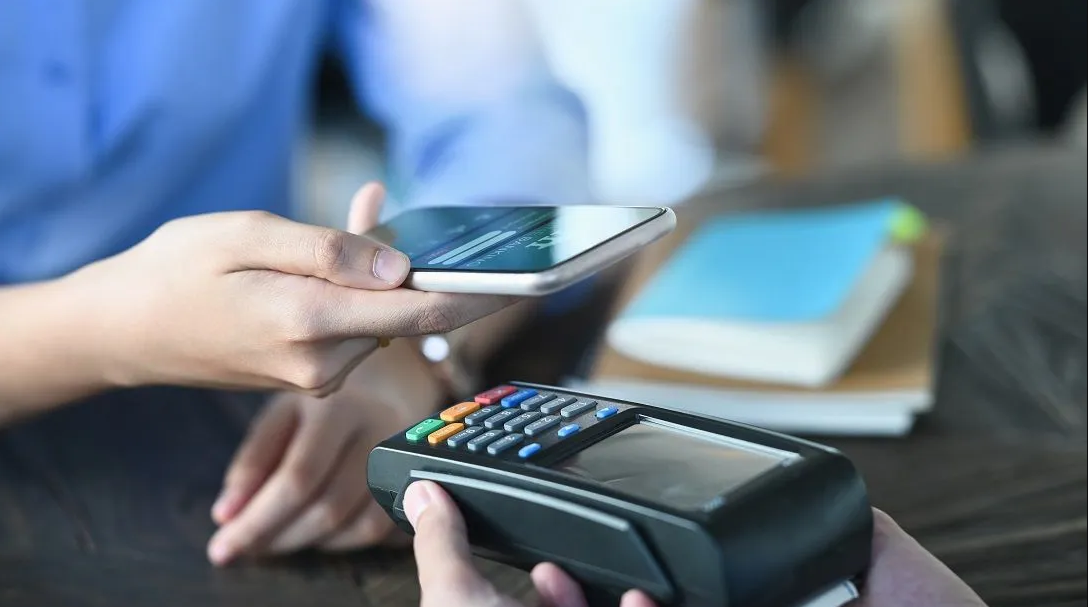
When making a payment, users can simply hold their smartphones close to a compatible payment terminal. The wallet app then uses NFC to transmit payment data securely to complete the transaction.
The Benefits of Mobile Wallets
Convenience and Accessibility
Mobile wallets eliminate the need to carry physical cards or cash. With just a smartphone, users can make payments anytime, anywhere.
Enhanced Security Measures
Mobile wallets use advanced security features, such as tokenization and biometric authentication, to protect users’ payment information.
Loyalty Programs and Rewards
Many mobile wallets integrate with loyalty programs and offer rewards for frequent use, adding extra value for users.
Ensuring Security in Mobile Wallets
Encryption and Tokenization
Payment data is encrypted and tokenized, meaning that actual card numbers are replaced with tokens, making them useless to potential hackers.
Biometric Authentication
Many mobile wallets use biometric authentication methods like fingerprint or facial recognition to ensure that only authorized users can access the wallet.
Major Players in the Mobile Wallet Landscape
Popular mobile wallet providers include Apple Pay, Google Pay, Samsung Pay, and various banks that offer their own wallet apps.
The Future of Mobile Wallets
As technology advances, mobile wallets are likely to become even more integrated into our daily lives. They may encompass a wider range of financial activities beyond just payments.
Conclusion
Mobile wallets have redefined the way we handle transactions, bringing unprecedented convenience and security to the forefront of financial interactions. As these wallets continue to evolve and adapt, they are shaping the future of commerce, offering users a seamless and streamlined way to manage their finances.
FAQs
1. Are mobile wallets safe?
Yes, mobile wallets use advanced encryption, tokenization, and biometric authentication to ensure the security of payment information.
2. Can I use mobile wallets for online purchases?
Absolutely, mobile wallets can be used for both in-store and online purchases, offering a versatile payment solution.
3. Are mobile wallets widely accepted?
Yes, many retailers and businesses now accept mobile wallet payments, thanks to the increasing prevalence of NFC technology.
4. Do I need an internet connection to use a mobile wallet?
An internet connection is typically required to add or update payment methods, but many mobile wallets also offer offline payment options.
5. Can I link multiple cards to a single mobile wallet?
Yes, most mobile wallets allow you to link multiple credit and debit cards, giving you flexibility in your payment options.
